

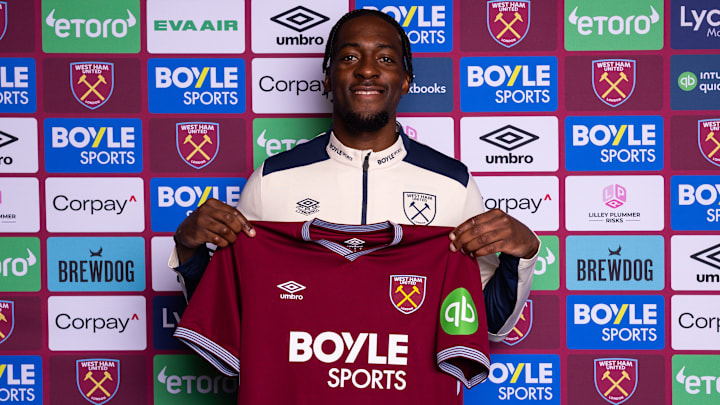
West Ham United's transfer deadline day felt more like the film Groundhog Day. It was billed as a potential lifeline for a side battling the Premier League's worst defensive record and hovering near the relegation zone. Manager Nuno Espírito Santo had made clear his priority: bolstering a leaky backline that had leaked goals at an alarming rate across Europe's top leagues. Yet, as the clock ticked toward the 7 pm GMT cutoff, the day delivered more frustration than fireworks—earning the label of a classic "dud" in the eyes of many Hammers fans and observers.
The window's headline drama centered on Axel Disasi, the Chelsea centre-back who had snubbed West Ham in the summer of 2025 but appeared ready for a U-turn. Reports swirled of a verbal agreement between the clubs for a loan until season's end, with a medical booked and optimism peaking in the afternoon. West Ham even pushed for a deal sheet to extend paperwork time post-deadline. In the end, the move was confirmed shortly after the window closed—Disasi joined on loan, providing some defensive cover amid injuries and suspensions (including Jean-Clair Todibo's ban).
After a shocking loss to Chelsea where the defense couldn't protect a 2-0 lead, West Ham were able to get a loan across the next day for the Blues' seldom used defender. But the arrival felt like too little, too late. West Ham's defensive crisis demanded urgency from day one of the January window, yet they entered deadline day without a single new centre-back secured earlier. Bids for targets like Southampton's Taylor Harwood-Bellis (£18m rejected) and Real Betis' Natan fell short or collapsed. Other defensive options evaporated, leaving Nuno with limited choices and a squad still vulnerable. The late Disasi swoop was a patch, not a solution—especially given his limited minutes at Chelsea and questions over whether he could hit the ground running.

Offensively, the window had seen investment: forwards Taty Castellanos (from Lazio, around £25m) and Pablo Felipe (from Gil Vicente, £22m), plus Adama Traoré, totaling roughly £45-50m spent on attack. Yet analysts quickly flagged these as potential overspends, with early whispers comparing Castellanos to past expensive, underperforming West Ham strikers. The focus on forwards while the defense crumbled drew criticism—why prioritize goals when you can't stop them?
Fans and pundits labeled the overall January window—and especially deadline day—as "appalling" and "struggling." Nuno's side needed a transformative deadline to climb out of trouble, but instead got a scramble that underscored familiar criticisms of the club's recruitment: reactive, drawn-out, and lacking ruthlessness. David Sullivan's influence loomed large in the background, with the board facing renewed scrutiny for not acting decisively sooner. Nuno himself said earlier in the week how important it would be to get more players in before deadline day. "There are negotiations ongoing. I can't say where or who, but I still think we need more options," Nuno said. "We still need more. We still need to rebalance."
In a season where survival is the priority, West Ham's deadline day dud may prove costly. Disasi offers hope, but the Irons head into the run-in with questions unanswered at the back. For a club that has flirted with European spots in recent years, this felt like a step backward—another chapter in the long book of transfer-window what-ifs at the London Stadium.
 Add us as a preferred source on Google