

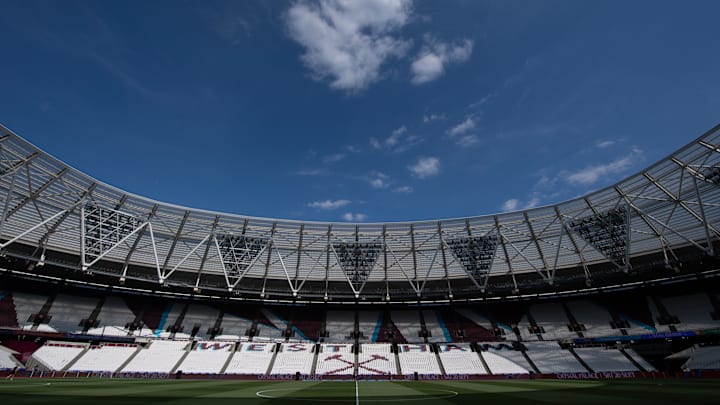
West Ham fans have every right to be frustrated. The ownership of David Sullivan and Karren Brady has presided over 15 years of what many supporters see as chronic mismanagement—mediocre recruitment, questionable stadium decisions, and a club that often feels stuck in neutral despite occasional flashes of promise. The "No More BS" campaign, driven by Hammers United, has channeled that anger into visible, sustained action, including red card displays at the 15-minute mark to symbolize those 15 years of perceived failure.
The latest escalation for the upcoming home match against Sunderland (a midweek or weekend fixture in this period of ongoing discontent) calls for fans to delay taking their seats until the 15th minute—staying on the concourse, at the bars, or outside—before walking in en masse with red cards raised. It's a bold step up from previous red card shows, designed to create a striking visual of empty stands at kick-off and send a clear message to the boardroom.
""We need them, and we need them from minute one.'"West Ham Manager Nuno Espírito Santo
But here's the hard truth: this particular protest risks doing more harm than good right now, and it's time for West Ham supporters to consider abandoning or significantly modifying it for this one game. This sentiment was expressed during a press conference where manager Nuno Espírito Santo made a plea to fans. "We need them, and we need them from minute one," said Nuno, acknowledging the upcoming protest. "From the beginning of the game, because the game gives back. We know we can count on our fans."
Consider the timing and context. West Ham are in the thick of a Premier League season where every point matters. Sunderland, as a promoted or resurgent side (depending on their current standing), represent a winnable but far from guaranteed three points. Starting the match with thousands of seats visibly empty—or fans trickling in late—creates an atmosphere that can sap momentum from the players on the pitch. We've seen it before: low-energy environments at the London Stadium have contributed to sluggish starts, poor pressing, and dropped points against sides we should be beating. The team, under whatever manager is currently in place, needs every ounce of home advantage. Handing the opposition a psychological edge before a ball is kicked isn't protest—it's self-sabotage.

The protest has already achieved significant visibility. Red cards have been shown consistently, media outlets have covered the discontent repeatedly, and the pressure on Sullivan and Brady is undeniable. The campaign has forced conversations, embarrassed the board publicly, and even influenced decisions in the past (recall the scrapped bond scheme after fan outcry). Escalating to a late walk-in for one match might grab headlines, but it also risks alienating neutral observers, casual fans, and even some core supporters who want to back the team without qualification. When protests start hurting the playing side more than the board, they lose moral authority.
There's a real danger of diminishing returns. Boycotts and delayed entries have been tried in various forms this season already—thousands stayed away for certain games, sit-ins occurred after others—and the board remains in place. Continuing to punish the atmosphere week after week only normalizes a toxic home environment. If the goal is ultimately change at the top, sustaining long-term pressure through smarter, less self-damaging methods (continued red cards after the 15th minute, vocal chants throughout, social media amplification, or targeted economic pressure like program boycotts) could be more effective than one dramatic but potentially counterproductive gesture.
To be clear: this isn't a call to end the campaign or stop holding the owners accountable. Sullivan and Brady's record speaks for itself, and fan discontent is justified. But tactics matter. For the Sunderland match, show up on time, fill the stands from kick-off, create the hostile cauldron the London Stadium so rarely becomes, and let the players feel unconditional support while the red cards still come out loud and proud from the 15th minute onward. Support the team first on matchday—then keep the heat on the board the other six days of the week. That's how you win both on the pitch and in the long fight for the club's future.
 Add us as a preferred source on Google